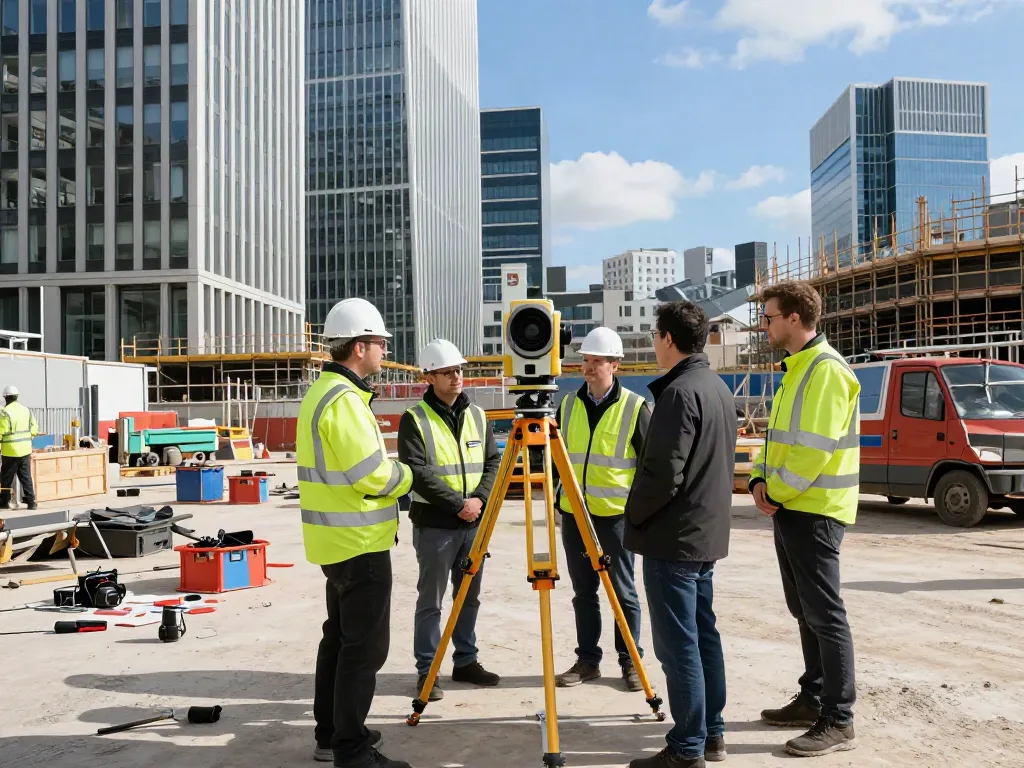
Understanding GPR Surveys and Their Importance in London
Ground Penetrating Radar (GPR) surveys have become an essential tool in modern geophysical exploration, especially in densely populated urban settings like London. These non-invasive techniques enable surveyors to gain insights into subsurface conditions without the need for disruptive excavation. As London continues to evolve, understanding the relevance and application of GPR surveys is crucial for construction, infrastructure development, and urban planning. When exploring options, GPR Survey London provides comprehensive insights into utilising these advanced techniques effectively.
What is a GPR Survey?
A GPR survey employs radar pulses to image and detect subsurface features. It sends electromagnetic waves into the ground, which reflect back after hitting different materials. By analysing these reflections, surveyors can identify various structures, including utilities, voids, and geological formations. GPR is particularly advantageous in urban areas where traditional surveying methods may be limited due to existing infrastructure and environmental concerns.
Key Benefits of GPR Surveys for Construction Projects
GPR surveys offer numerous benefits in construction projects, including:
- Non-Invasive Methodology: GPR allows for the detection of subsurface features without excavation, preserving the integrity of existing structures.
- Cost-Effectiveness: By identifying potential issues early in the project, GPR surveys can save significant costs related to unforeseen complications.
- Improved Safety: Understanding the location of underground utilities reduces the risk of accidental damage during excavation and construction.
- Enhanced Planning: The data obtained can aid in better project planning, ensuring compliance with regulations and optimising design.
Common Applications of GPR in Urban Environments
In a bustling city like London, GPR surveys are applied across various sectors, including:
- Utility Mapping: Identifying the location of water, gas, electrical, and telecommunication lines before construction.
- Structural Assessment: Evaluating the condition of existing foundations and pavements.
- Environmental Studies: Investigating the subsurface for contaminants or geological irregularities that could impact projects.
- Archaeology: Uncovering historical artifacts without disturbing the site.
How GPR Surveys Enhance Measured Building Surveys
Integrating GPR surveys with traditional measured building surveys significantly enhances the accuracy and overall value of the data collected. While measured building surveys provide architectural layout and dimensions, GPR adds a layer of detail by revealing what lies beneath the surface.
Integrating GPR with Measured Building Surveys
When combined, GPR and measured building surveys create a holistic picture of any site. For instance, while a measured survey can outline the building's footprint and structural components, GPR can highlight any underlying utilities or potential obstacles that may affect construction. This integration aids architects and engineers in making informed decisions, thus streamlining project workflows.
Accuracy and Efficiency: Why GPR Matters
The accuracy of GPR technology is superior in detecting even small anomalies in subsurface conditions. This precision is instrumental in avoiding costly errors during construction. With high-resolution data, project teams can ensure compliance with regulations and standards, maintaining project integrity and safety.
Case Studies: Successful GPR Applications
Several prominent projects in London have successfully utilised GPR surveys, showcasing its effectiveness:
- The Thames Tideway Tunnel: GPR was used to map existing utilities along the proposed route, significantly speeding up the pre-construction phase.
- The Crossrail Project: GPR played a vital role in assessing underground conditions, enabling the planning team to navigate complex subsurface infrastructures effectively.
Choosing the Right GPR Survey Provider in London
With many companies offering GPR services in London, selecting the right provider is crucial for ensuring quality and accuracy in your surveys. Here are some key factors to consider:
What to Look for in a GPR Survey Company
- Experience: Look for providers with a proven track record in urban environments. Experience translates into better understanding and handling of local challenges.
- Accreditations: Ensure the company adheres to industry standards and possesses necessary certifications for GPR surveying.
- Technology: A company that uses the latest GPR technology will likely produce more accurate and reliable results.
Cost Factors to Consider When Hiring a GPR Service
The cost of GPR surveys can vary widely based on several factors, including:
- Site Location: Urban settings may carry additional costs due to access restrictions and logistical challenges.
- Depth of Survey: Deeper investigations require more time and resources, affecting overall costs.
- Project Complexity: Complex sites with multiple subsurface features will require more intensive surveying efforts.
Top GPR Survey Companies in London
Some of the top GPR survey companies in the London area include:
- Red Laser Scanning
- Cadmap
- Utility Surveying
- Omega Geo
Advanced Techniques in GPR Surveying
The field of GPR surveying is continually evolving, driven by advancements in technology and methodology. Staying updated with these advancements ensures that surveyors can deliver the most effective services to their clients.
Emerging Technologies Shaping the Future of GPR
Recent innovations in GPR technology are pushing the boundaries of what's possible in surveying:
- Real-Time Data Processing: Advances in software now allow for real-time data interpretation and immediate feedback on subsurface conditions.
- Integration with GIS: Geographic Information Systems (GIS) are increasingly being integrated with GPR data, providing a comprehensive spatial understanding of subsurface features.
Best Practices for Effective GPR Surveys
To maximise the effectiveness of GPR surveys, practitioners should adhere to best practices, such as:
- Regular Calibration: Ensure equipment is calibrated regularly to maintain accuracy in measurements.
- Survey Planning: Thoroughly plan each survey to consider site conditions, potential interferences, and optimal survey settings.
Challenges and Solutions in Urban GPR Surveying
Urban environments present unique challenges for GPR surveys, including interference from existing structures and noise. However, with strategic planning and modern technology, these challenges can often be mitigated.
- Signal Interference: Urban settings with multiple layers of utilities can lead to complex reflections. Advanced signal processing techniques can help clarify data.
- Access Restrictions: Some areas may have limited access, requiring innovative solutions such as miniaturised equipment or scheduled work during off-peak hours.
Future Trends in GPR Surveys for 2026 and Beyond
The future of GPR surveying is promising, with several trends expected to shape the industry in the coming years.
Predicted Developments in GPR Technology
As technology continues to evolve, GPR systems will likely become more compact, efficient, and user-friendly. The integration of artificial intelligence in data analysis will further enhance accuracy and speed in identifying subsurface features.
Impact of Regulations on GPR Survey Practices
Increasingly stringent regulations regarding construction and environmental safety will necessitate more thorough GPR surveys. Survey providers will need to stay abreast of these changes to remain compliant and competitive.
How GPR Surveys Will Evolve in Urban Planning
As urban planning becomes more data-driven, the role of GPR surveys will expand. Surveyors will need to provide comprehensive data that integrates seamlessly with other planning tools, helping to create sustainable and well-informed urban environments.
How much does a GPR survey cost?
The cost of a GPR survey can vary based on the project's complexity, location, and specific requirements. Generally, clients can expect to pay between £500 and £1500, depending on these factors.
How deep can a GPR survey go?
GPR surveys can typically reach depths of up to 30 metres, depending on soil conditions, the type of material being surveyed, and the frequency of the radar used in the survey.
What are the best survey companies in the UK?
In addition to the previously mentioned companies, others such as Geospatial Surveys and Turner Baker also rank high in the UK survey space for their innovative techniques and reliability.
What types of utilities can GPR surveys detect?
GPR surveys can detect various utilities, including but not limited to:
- Water pipes
- Gas lines
- Electric cables
- Telecommunication conduits
Are GPR surveys safe for the environment?
Yes, GPR surveys are considered safe for the environment as they are non-invasive and do not involve the use of hazardous materials or methods that could harm the surrounding ecosystem.