Understanding Safety Railings: Importance and Applications
Safety railings are essential components in both residential and commercial constructions, serving as critical safety barriers that protect individuals from fall hazards. Given their importance, selecting the right type and material for safety railings is crucial. In regions like the UAE, where coastal environments can accelerate deterioration, it becomes even more vital to focus on quality and durability. When exploring options, Safety railings serve as a primary consideration for homeowners and contractors alike, offering both protection and aesthetic appeal.
What Are Safety Railings and Their Purpose?
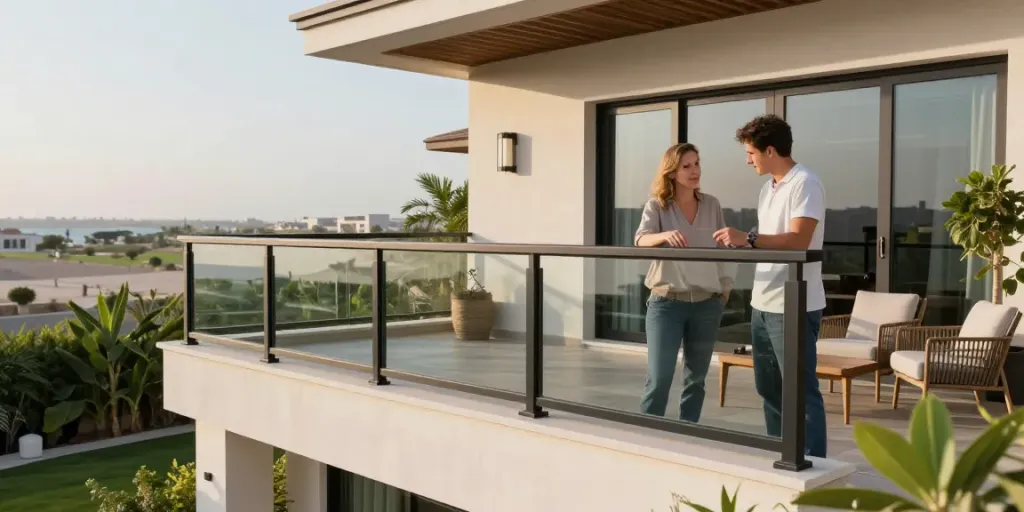
Safety railings, also known as guardrails or barriers, are systems designed to prevent accidental falls in various environments. Their primary purpose is to provide safety by creating a physical barrier that keeps people secure from edges or openings. Common locations for safety railings include staircases, balconies, rooftops, and walkways. They are often constructed from materials such as metal, wood, or composite materials, depending on the specific requirements of the project and the environmental conditions they will face.
Types of Safety Railings: A Comprehensive Overview
- Metal Railings: Typically constructed from steel or aluminum, metal railings are favored for their durability and strength. They can easily withstand environmental stresses and are often powder-coated for added corrosion resistance.
- Wooden Railings: Offering a traditional aesthetic, wooden railings need regular maintenance to prevent decay, especially in moisture-prone areas.
- Composite Railings: Combining plastic and wood fibers, these railings are low-maintenance and resistant to warping and fading, making them suitable for various climates.
- Glass Railings: For a modern, unobtrusive look, glass railings provide safety without obstructing views. They require careful consideration regarding installation and cleaning.
- WPC Railings: Wood-plastic composites combine the best features of wood and synthetic materials, offering an eco-friendly option with excellent durability.
Key Benefits of Installing Safety Railings
Enhancing Home Safety and Compliance
Safety railings are not just an aesthetic choice; they are often mandated by building codes and regulations to enhance safety, especially in high-risk areas. These requirements ensure that properties comply with local safety standards, reducing liability for homeowners and contractors alike. By installing appropriate safety railings, homeowners can ensure that they meet these requirements, thereby enhancing the overall safety of their homes.
Aesthetic Appeal: Designing with Style
In addition to their safety function, railings can serve as significant design elements in any architecture. Custom designs can be created to complement the style of a home, whether it’s modern, classical, or industrial. Incorporating decorative elements can enhance curb appeal and overall property value, making safety railings both functional and beautiful.
Long-term Cost Savings: Durability and Maintenance
Choosing quality materials for safety railings can lead to significant cost savings over time. Durable materials require less frequent replacement and maintenance, particularly in harsh environments caused by coastal climates. Investing in high-quality railings now can prevent costly repairs down the line, ensuring that homes remain safe and stylish for years to come.
Installation Process: What to Expect
Site Preparation: Measurements and Planning
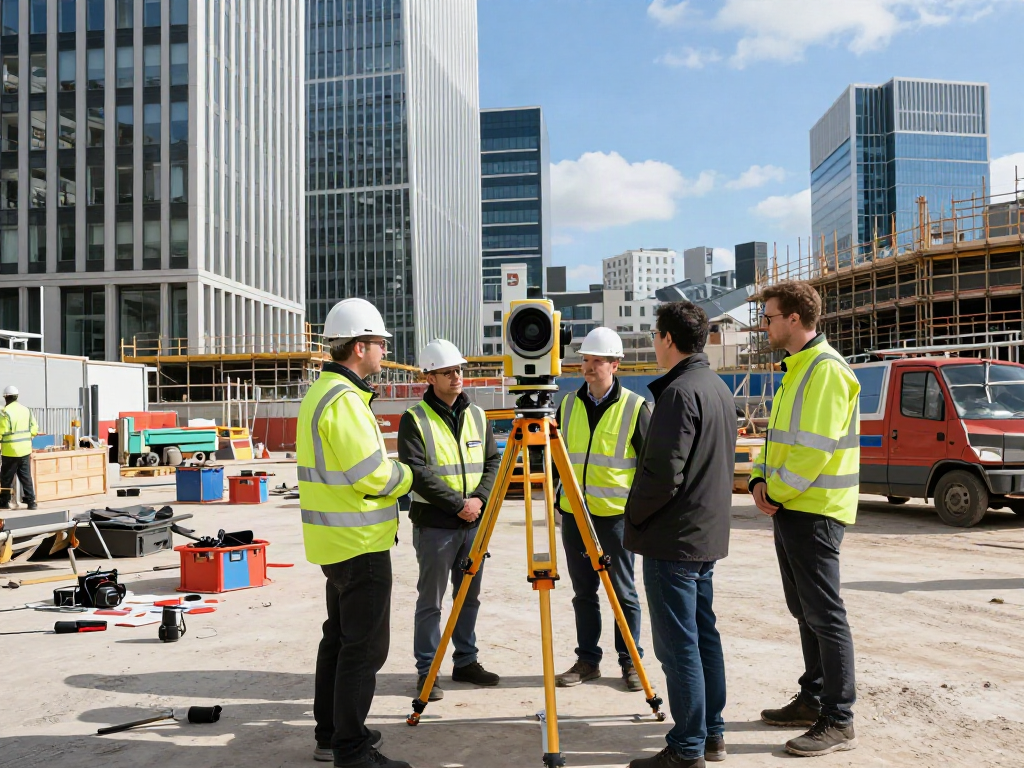
The installation of safety railings begins with careful site preparation. This involves measuring the intended area accurately to ensure that the railings will fit properly and meet safety standards. Incorrect measurements can lead to improper installation, diminishing the effectiveness of the railings.
Installation Techniques: In-house vs. Outsourced
One of the critical differences in quality and reliability comes from the choice between in-house installation and outsourcing the work to a third-party contractor. Companies like Al Taher Group, which manage both fabrication and installation, ensure that every component is tailored to fit perfectly within the overall project. This streamlined approach not only enhances precision but also simplifies communication throughout the project lifecycle.
Post-Installation: Inspections and Adjustments
Once the railings are installed, thorough inspections are necessary to confirm that they meet safety requirements and function as intended. Any adjustments needed should be made promptly to ensure the continued safety of the structure. Periodic evaluations after installation can help catch potential issues before they escalate.
Maintenance Tips for Longevity
Regular Inspections: What to Look For
To maintain the integrity of safety railings, regular inspections are crucial. Homeowners should check for signs of wear and tear, corrosion, or any loose fittings that could compromise the railing’s effectiveness. Identifying these issues early on can save time and resources in the long run.
Cleaning and Care: Materials Best Practices
Different railing materials require specific cleaning methods. For metal railings, a simple solution of soap and water can help prevent corrosion, while wooden railings may need sealing and staining. Understanding the best practices for your specific railing type is essential to maintaining their appearance and functionality.
How Coastal Environments Affect Durability
In coastal regions like Fujairah, salt-laden air can significantly affect the durability of outdoor railings. Metal railings, in particular, are susceptible to rust and corrosion if not properly treated. This is why using high-quality finishes and regular maintenance is paramount to extend their lifespan in these challenging environments.
Future Trends in Safety Railings (2026 and Beyond)
Innovations in Design and Materials
The safety railing industry is evolving, with innovations in both design and materials. Lightweight, high-strength materials such as advanced composites are gaining traction, allowing for designs that are both functional and visually appealing. These trends are likely to continue as technology improves.
Smart Safety Solutions: Integrating Technology
As with many areas of construction, technology is playing a more prominent role in safety railings. Smart railings equipped with sensors can monitor pressure and potential fall hazards, alerting property owners to any issues in real-time. This integration of technology could redefine safety standards in the coming years.
Emerging Regulations and Standards in the UAE
As safety concerns continue to grow, regulatory bodies in the UAE are likely to implement stricter guidelines for safety railings. Keeping abreast of these changes will be crucial for contractors and homeowners alike, ensuring that installations remain compliant and effective.
How Can Safety Railings Improve Accessibility?
Accessibility is a key consideration in modern construction. Safety railings can be designed to accommodate individuals with mobility challenges, making spaces safer and more usable for everyone. This focus on inclusivity is expected to grow in importance in future designs.
Are Custom Designs Worth It?
Custom safety railings, while potentially more expensive initially, can offer tailored solutions that meet specific safety and aesthetic needs. This investment can lead to significant long-term benefits, including better compliance with regulations and enhanced property appeal.